Send
Close Add comments:
(status displays here)
Got it! This site "www.creationpie.org" uses cookies. You consent to this by clicking on "Got it!" or by continuing to use this website. Note: This appears on each machine/browser from which this site is accessed.
Sunday School: 2026-06-28 Matthew 19:22-24 Rich annoyance of camel eye needles
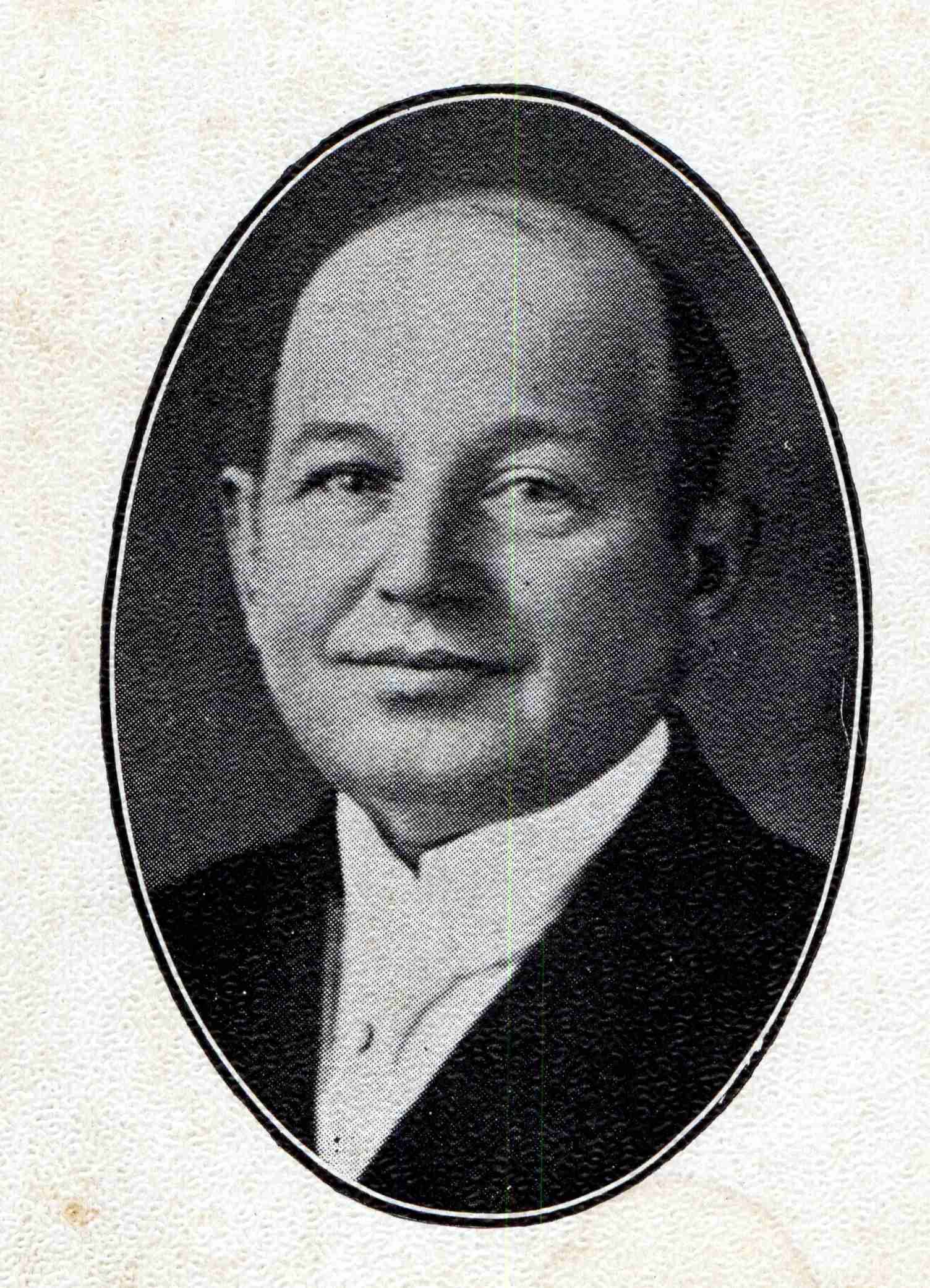
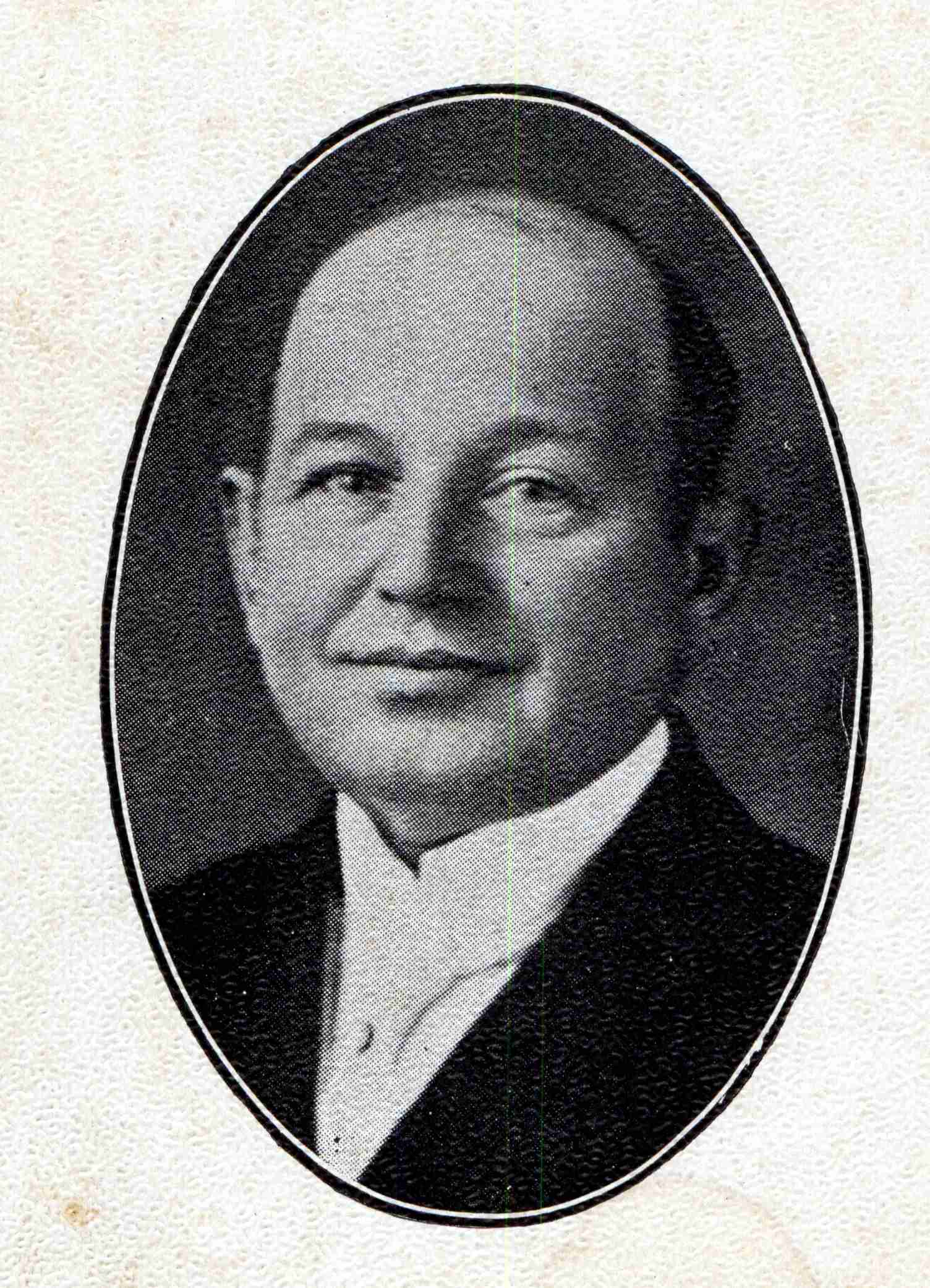
1. Pastor
Who is this pastor?
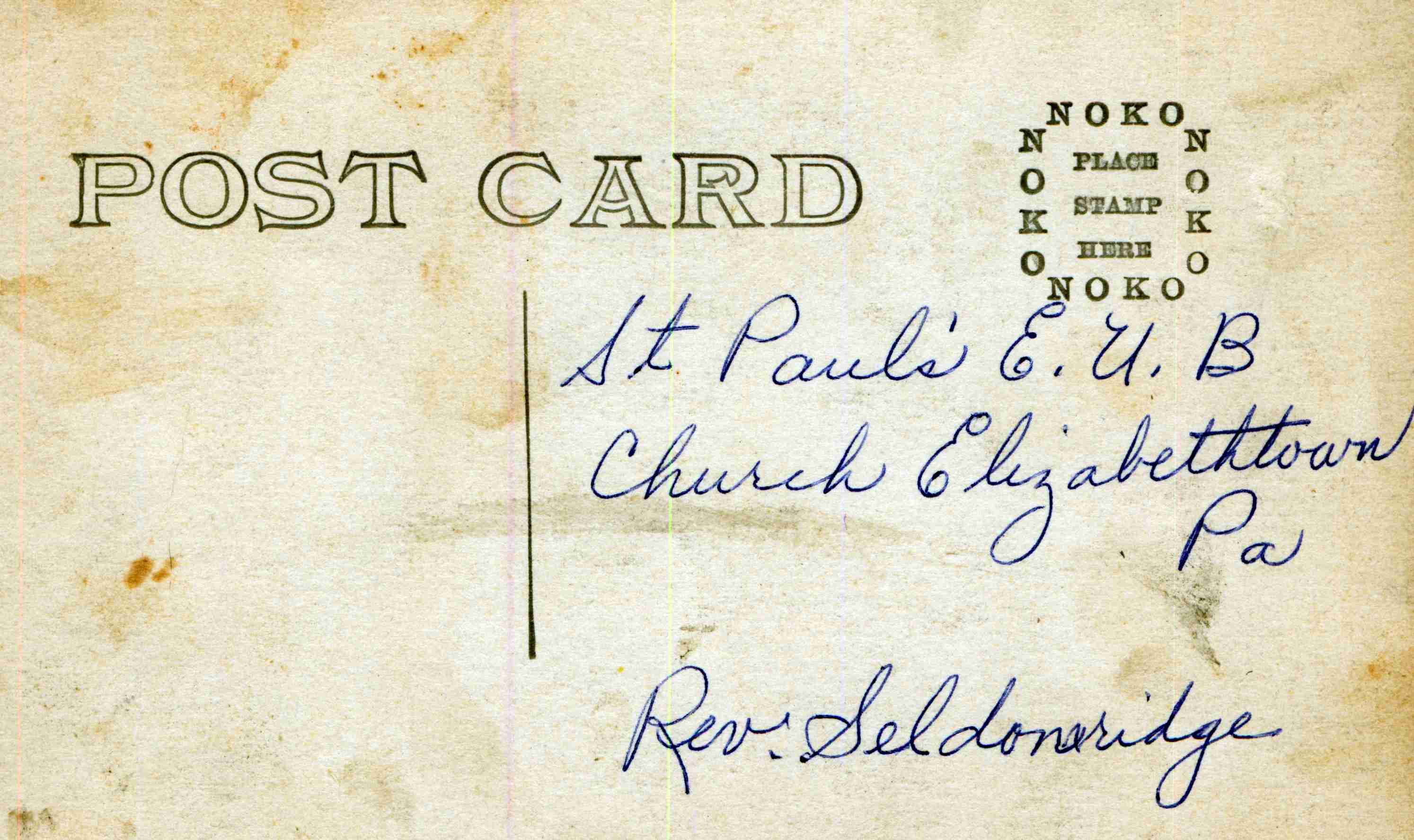
Rev. Seldonridge
Used: 2024-06-16 [WFC]
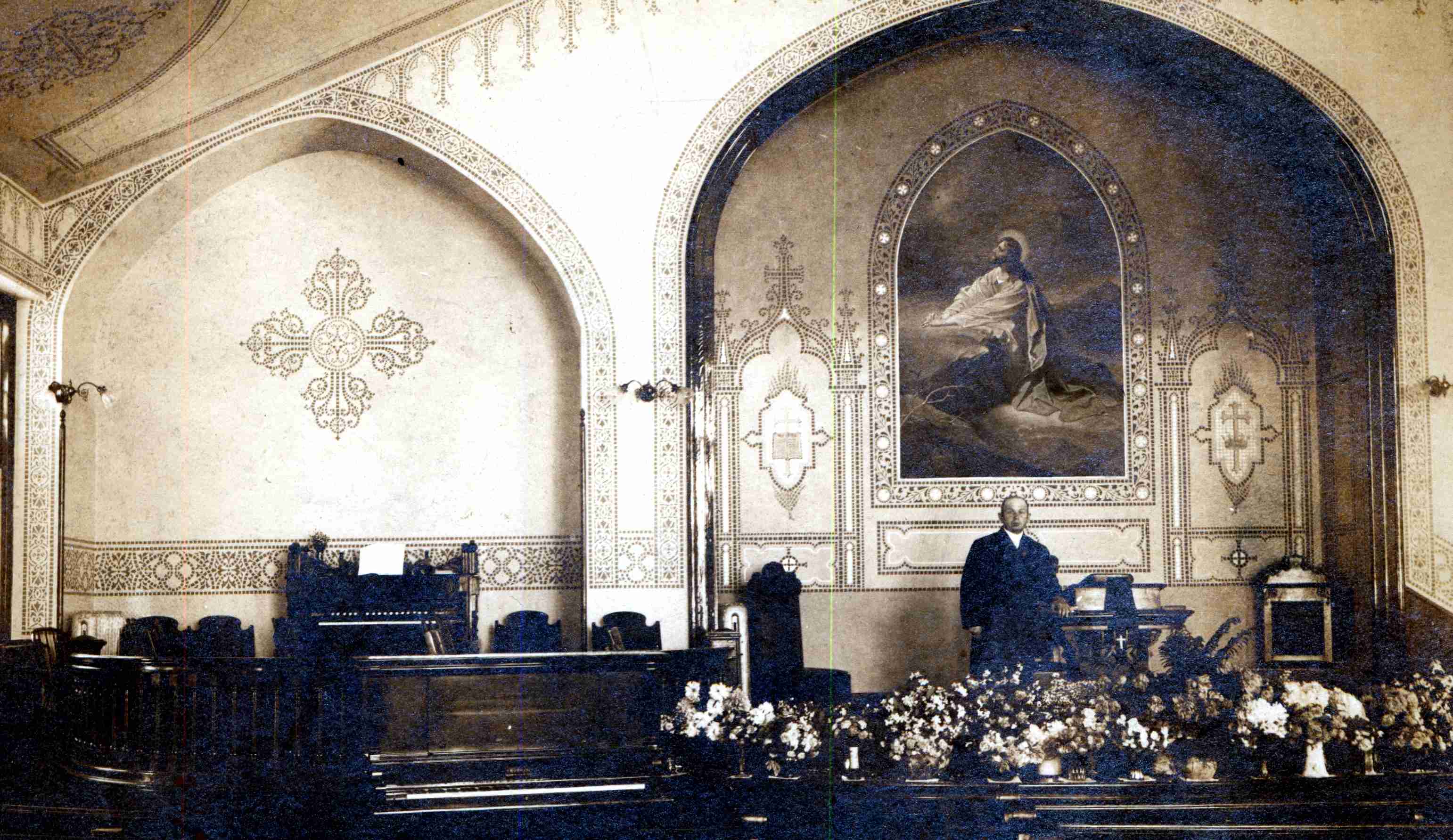
2. Pastor post card
3. Kids about 1975
4. Kids about 1975
5. Kids about 1975
6. Kids about 1975
7. Original church building
Here is the original church building on Manheim Road.
Is this the same place as the building on East High Street, a road that does go to Manheim?
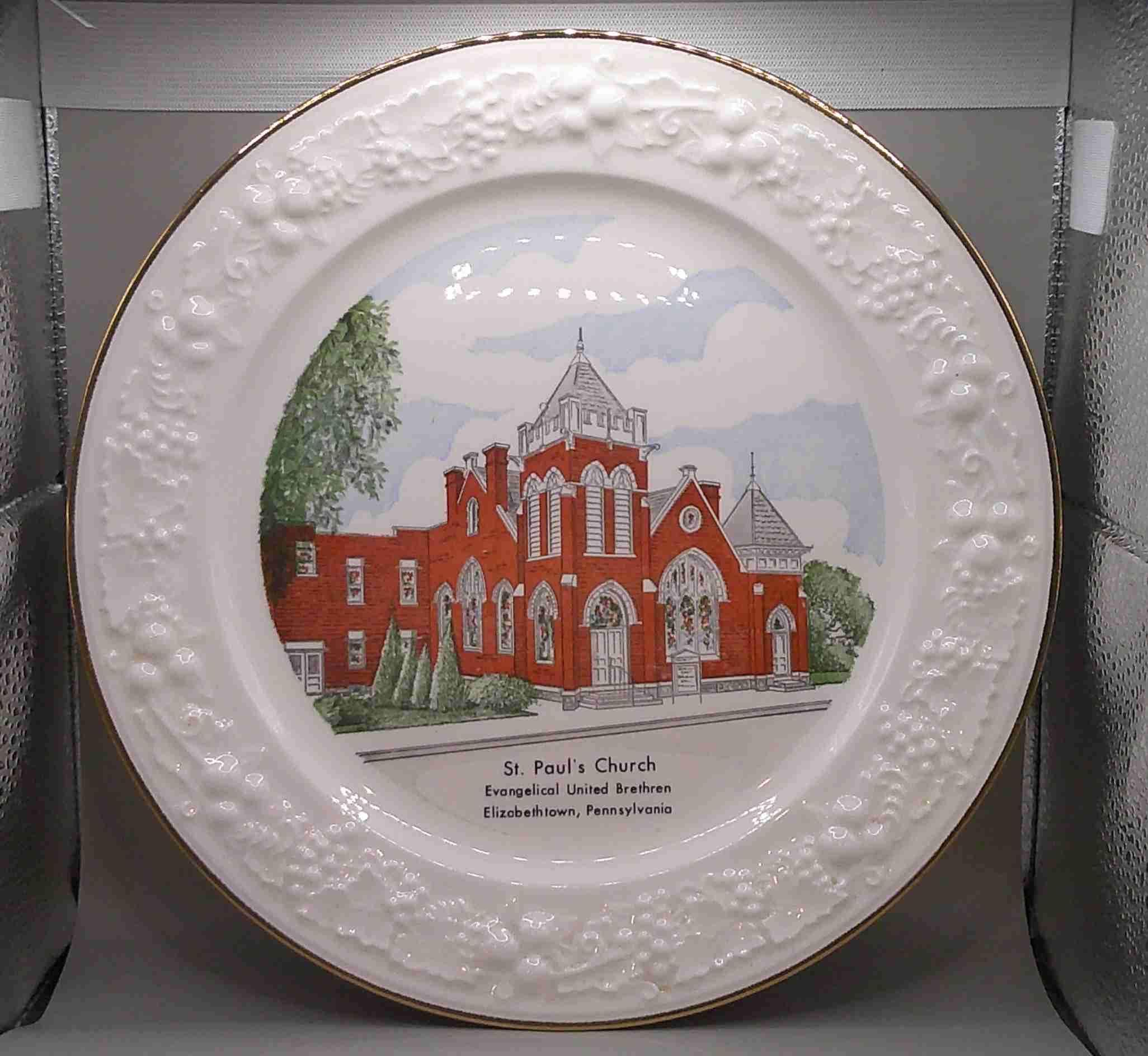
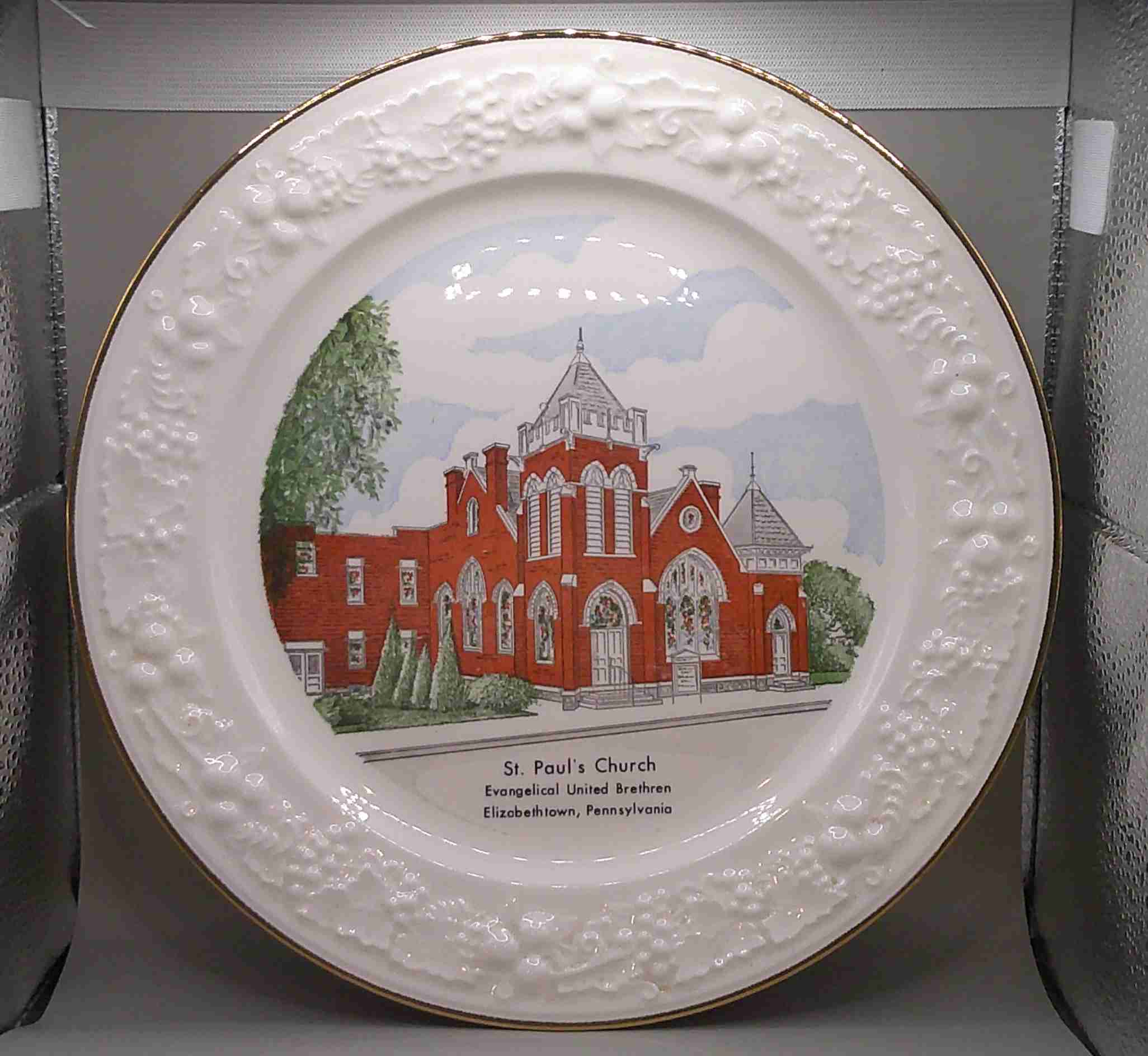
8. EUB plate
The
EUB (Evangelical United Brethren) church had been founded in 1946 from the merger of the following.
Evangelical Church founded by Jacob Albright
Church of the United Brethren in Christ
9. EUB plate text
1954
St. Paul's Evangelical United Brethren Church
has just completed a
century of progress.
1853-1953.

 |
From the first class of thirty nine the
congregation has grown to a present membership
of one thousand fifty.
May 28, 1853, "a class of United Brethren" came
into possession of a small brick structure but
on May 10, 1903 the cornerstone was laid for
a new church on the same plot. A Sunday School
Chapel was dedicated in April, 1925.
Because of the rapid and steady growth of
Church and Sunday School the E. U. B.
congregation voted in June, 1954 to build a
larger church at a new location.
WorldWide Art Studios
Covington, TENN.
|
10. Baptism
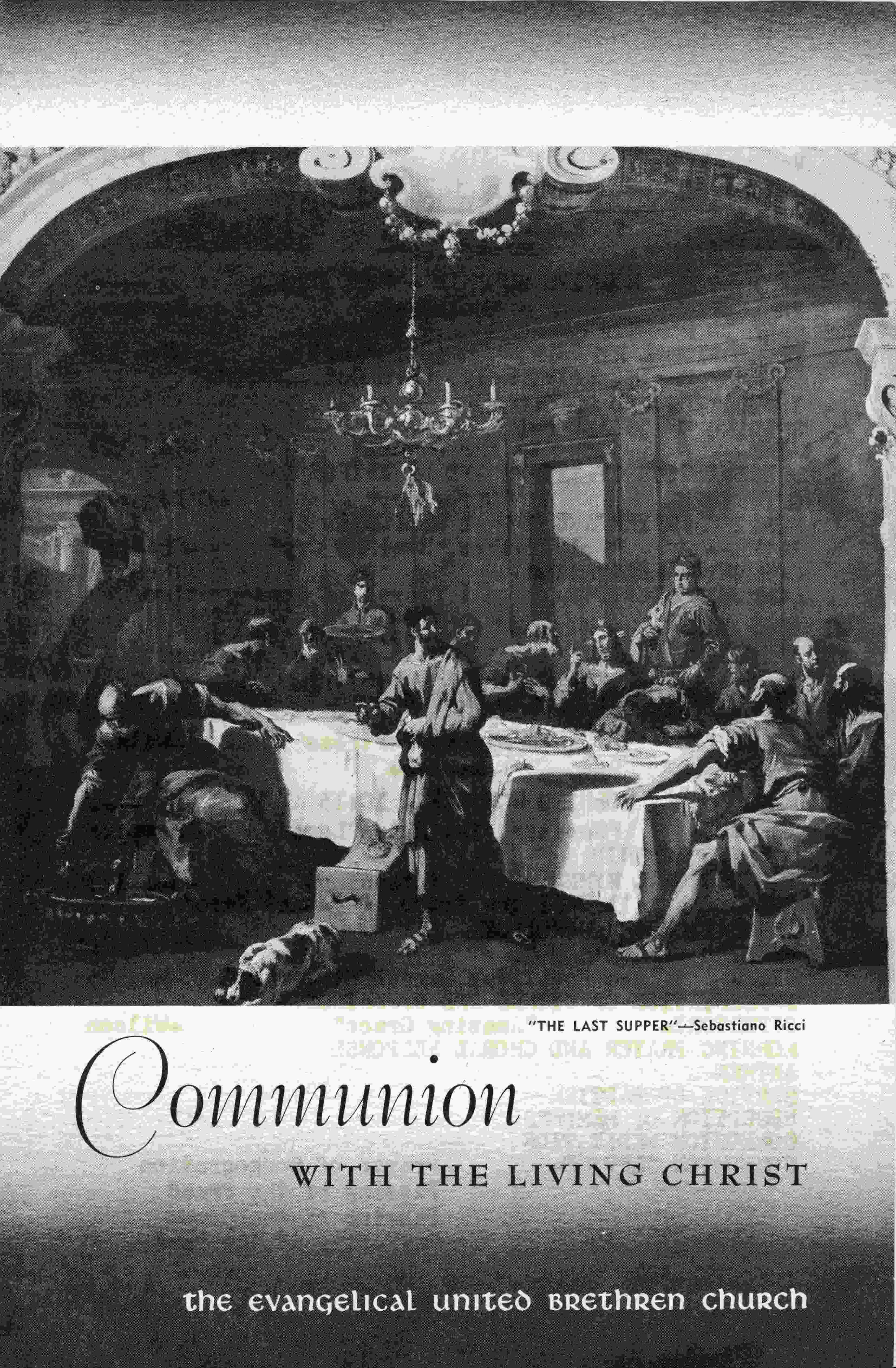
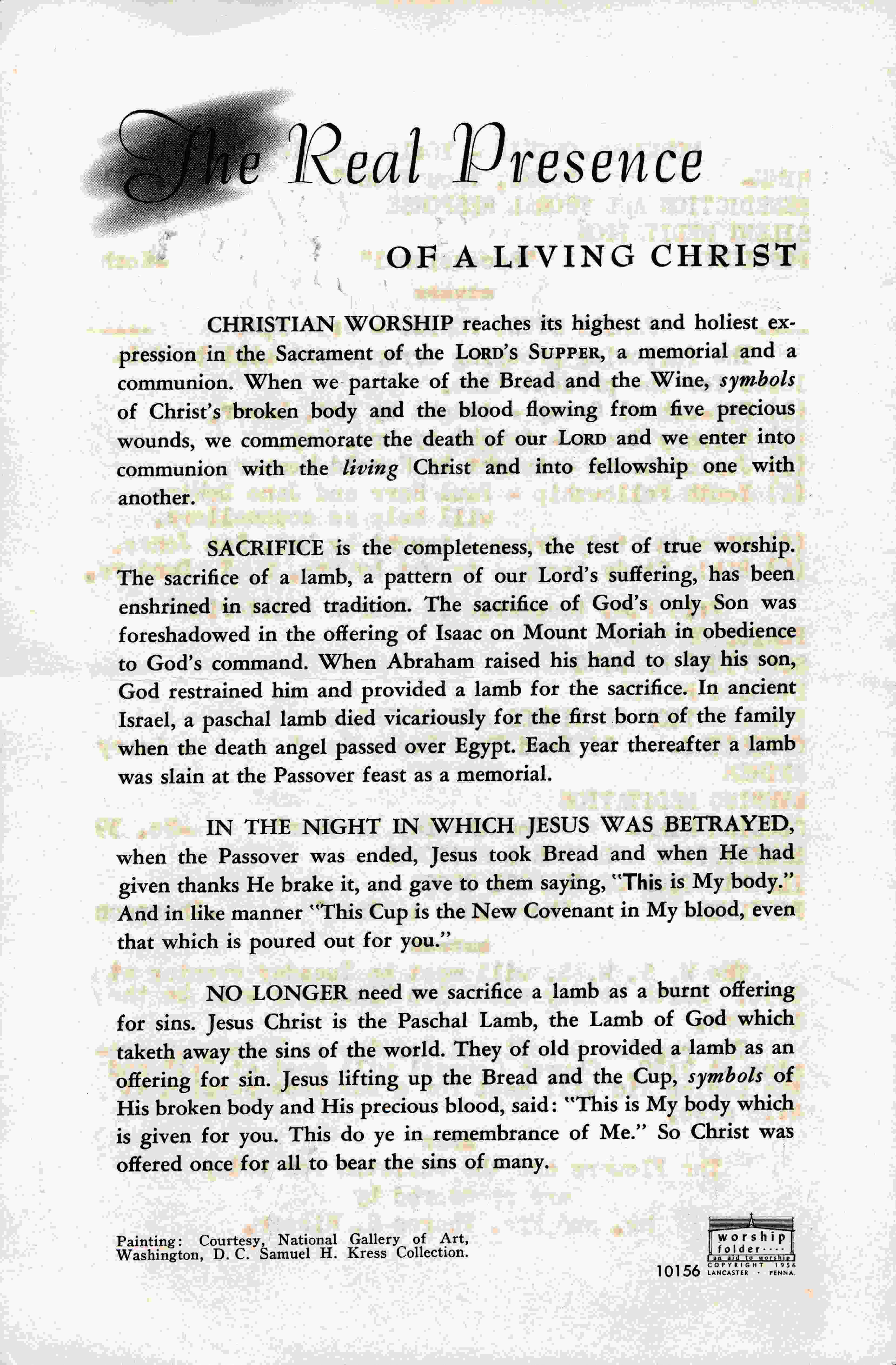
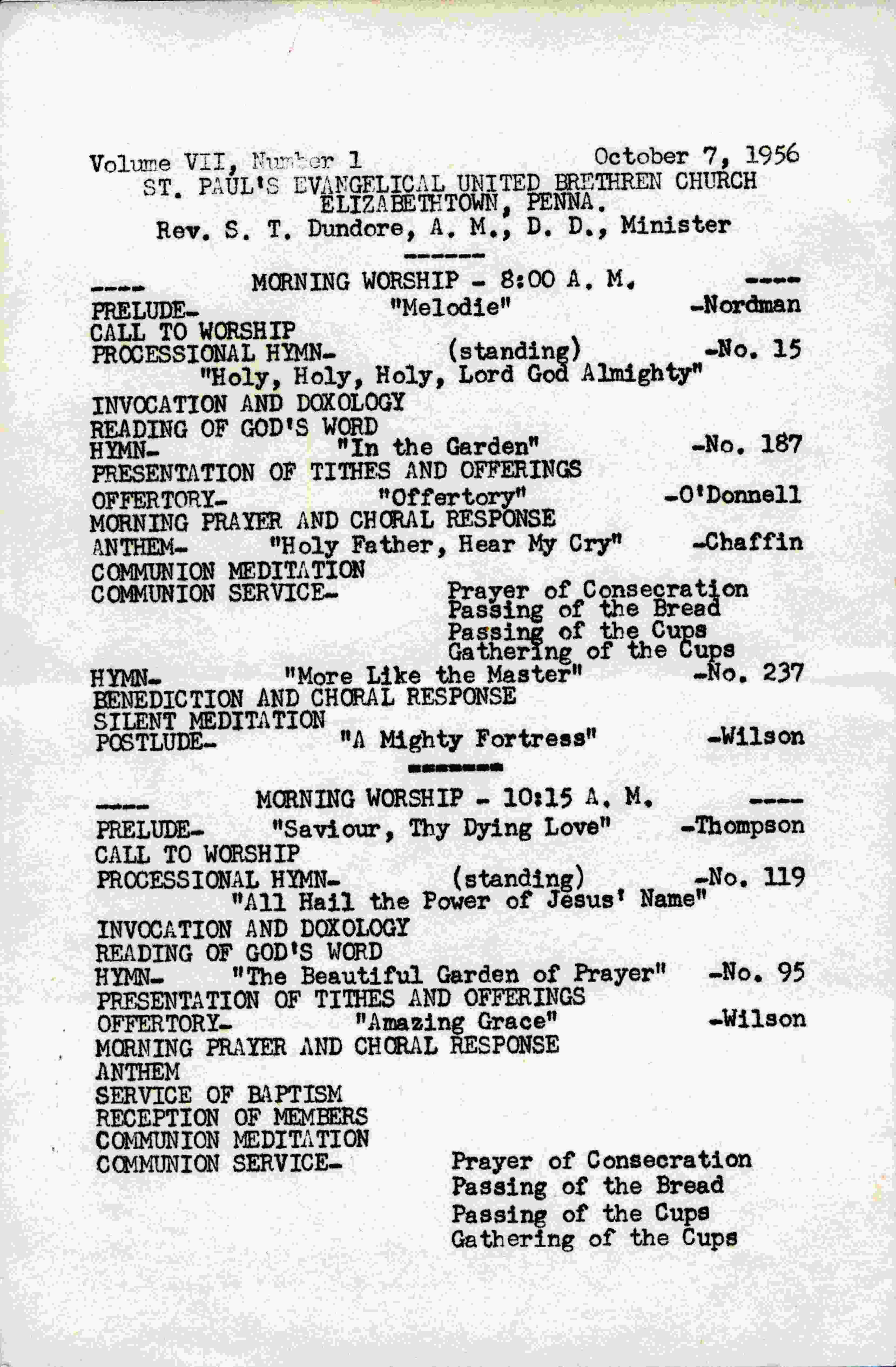
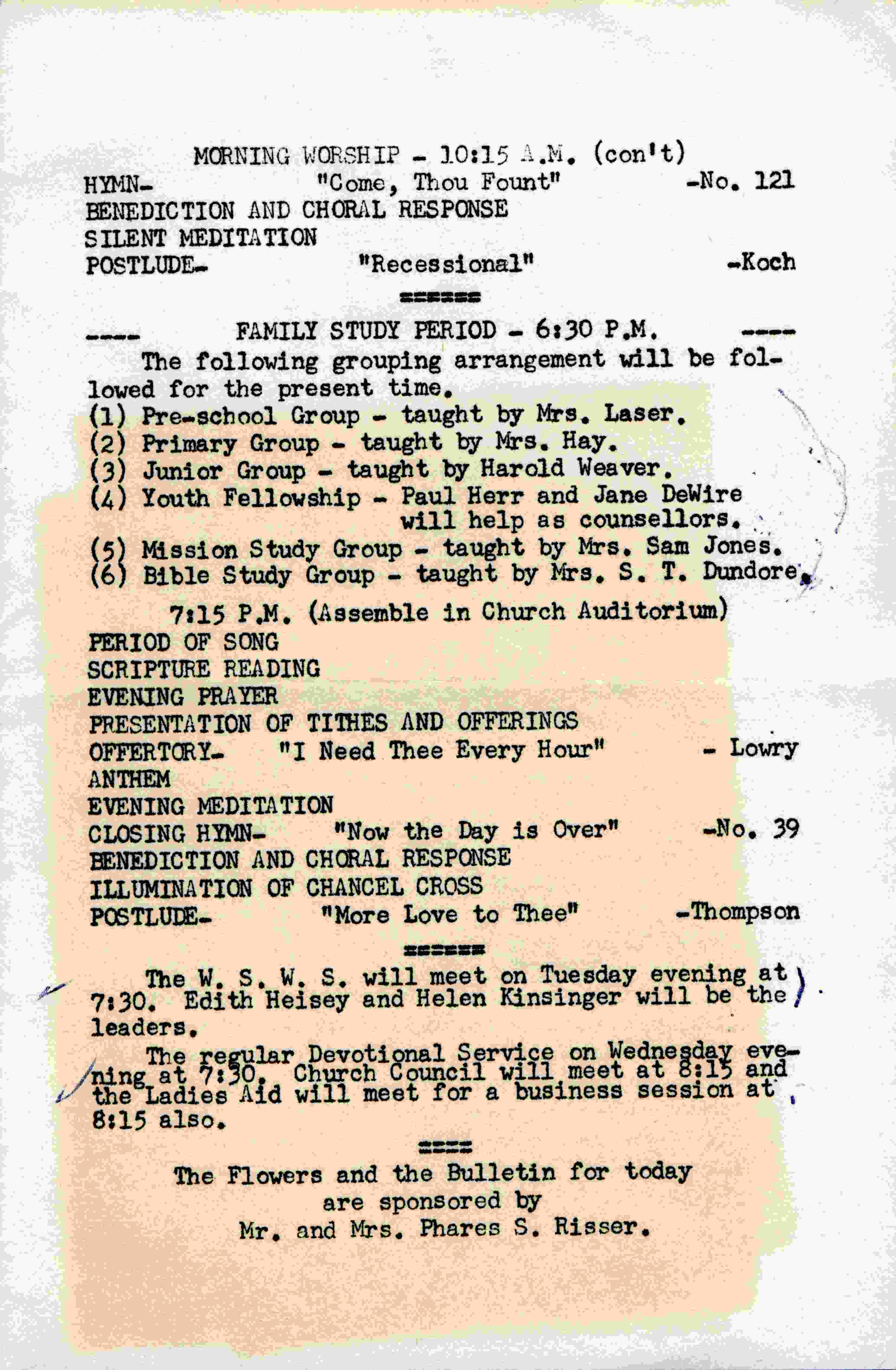
On October 7, 1956, the St. Paul's
Evangelical United Brethren church in Elizabethtown, PA, held a communion service in which new members and baptism of infants was included.
11. Program front and back
12. Program inside
13. Overview
Creator God [culture, church]
10 commandments/laws/words (Exodus)
The religious establishment then tried to fill in every possible detail of these 10 commandments. Love God takes precedence over loving neighbor as yourself.
2 summary laws (Jesus)
Love God and God's laws, opinion, glory, righteousness (integrity)
Love neighbor as yourself (negative feedback loop)
Actively do good works, passively suffer consequences
Everyone is either a fellow believer or a neighbor.
At the Last Supper, Jesus tells his fellow believers to love one another using the Greek word that means similar believers and not dissimilar or unbelievers.
The "as yourself" avoids bring in outside culture (law, opinion, glory, righteousness) that goes against God, law, opinion, glory, righteousness.
Used: 2024-04-14 [WFC]
14. SPUMC May 2002 Directory p. 4
15. SPUMC May 2002 Directory p. 4
16. SPUMC May 2002 Directory p. 4
17. SPUMC May 2002 Directory p. 5
18. SPUMC May 2002 Directory p. 5
19. SPUMC May 2002 Directory p. 5
20. SPUMC May 2002 Directory p. 5
21. SPUMC May 2002 Directory p. 5
22. SPUMC May 2002 Directory p. 5
23. March 14: Pi day
In the United States,
March 14, or
3/14, is PI day, from the Greek π symbol for the ratio of the circumference to diameter of a circle. In Europe, Pi day is
July 22 or
22/7, from the Archimedes approximation of pi, from the 3rd century BC, of
22/7.
| March 14: Pi day |
| Month |
day |
Europe |
United States |
| March |
14 |
14/3 |
3/14 |
| July |
22 |
22/7 |
7/22 |
Europe puts the day first, then the month.
The United States puts the month first, then the day (not the military).
Albert Einstein (1879-1955) was born on pi day on March 14, 1879.
24. Ides of March
Matthew 22:17 Tell us therefore, What thinkest thou? Is it lawful to give tribute unto Caesar, or not? [kjv]
ειπον ουν ημιν τι σοι δοκει εξεστιν δουναι κηνσον καισαρι η ου [gnt]
The "
Ides of March" is often associated with the assassination of Julius Caesar on March 15, 44 BC.
The Latin word
"Idus Martiae" ≈ "Ides of March" was on March 15, eight days after the "
nones", where March is named for the god of War. The Latin word
"idus" ≈ "divide" from an Etruscan verb.
25. March 17: Saint Patrick's Day
Saint Patrick's Day is March 17, the date of his (supposed) death. Tradition is that Leprechauns wear green. If you do not wear green, you risk getting pinched. Green is invisible to Leprechauns.
Saint Patrick, known as the "
Apostle of Ireland" and patron saint of Ireland, was a Christian missionary during the 5th century AD.
At about age 16 he was captured by Irish pirates raiding Britain and made a slave tending animals. After six years he escaped and returned to his family. He became a cleric and returned to his place of captivity as a missionary.
Did you hear what happened to the man who drank some invisible ink?
He was still at the emergency room waiting to be seen. They could not see him at the ICU. He was friends with 25 letters. He did not know why. At Christmas he did not Noel. There was a warrant for his arrest. The charge was failure to appear.
26. Snakes
By legend, Saint Patrick banished the snakes from Ireland, even though this absence of snakes in Ireland was noted by Solinus same 200 years earlier.
The legend hearkens back to the snakes of Pharaoh at the time of Moses and Aaron in Exodus 7:8-13.
The Celts had worshiped (images and idols of) serpents. Patrick did help drive those out of Ireland.
27. Clover
According to legend, Saint Patrick used the shamrock, or
clover, to explain the Trinity to those he was trying to convert.
One view: The three leaves stand for Father, Son and Holy Ghost.
Another view: The three leaves stand for faith, hope and love.
From a Trinitarian point of view, each leaf is separate but connected.
Don't iron a four leaf clover. Don't press your luck.
28. Lucky clover
Why is clover, and a four leaf clover, lucky?
Most clover have three leaves. A few have four leaves.
Celtic charm of a four-leaf clover gave magical protection and helped ward off bad luck to make one lucky.
John Milton (1620) : first literary reference
One legend: Adam and Eve took a single four-leaf clover as they left paradise.
One luck of the clover was that of being good food for animals such as cows, horses, etc.
29. Lucky Charms
What year was the Lucky Charms breakfast cereal introduced by General Mills?
1964
Lucky Charms from that first year:
pink hearts
yellow moons
orange stars
green clovers
blue diamonds (1975)
...
30. The gall of the Celts
The Romans called the
Celts the
Gauls. The area of Gaul's (Celts) in Asia Minor was called Galatia.
Paul wrote the letter to these Galatians.
Julius Caesar slaughtered hundreds of thousands of Gauls and wrote back glowing letters to Rome about his accomplishments.
Galatia, as in Paul's Letter to the
Galatians (or Celts) were populated by Gauls/Celts.
Celts is pronounced with a hard "C" as in "K" as in "Kelts".
Celtics, as in the Boston Celtics basketball team, is pronounced with a soft "C" as in "S" as in "Seltics".
31. The just shall live by faith
The phrase "
The just shall live by faith" appears in Habakkuk but also appears three times in the
GNT (Greek New Testament) in letters written by Paul. Each part applies to one of the books.
"the just": Romans
"shall live": Galatians, Galatia, people of Gaul, Celts, Celtics, clover, etc.
"by faith": Hebrews
The "
just" is the same word as "
righteous", those who are "
right" by God.
The righteous shall live by faith.
The meaning that Martin Luther acquired from these verses led him to start what is called the "
Reformation".
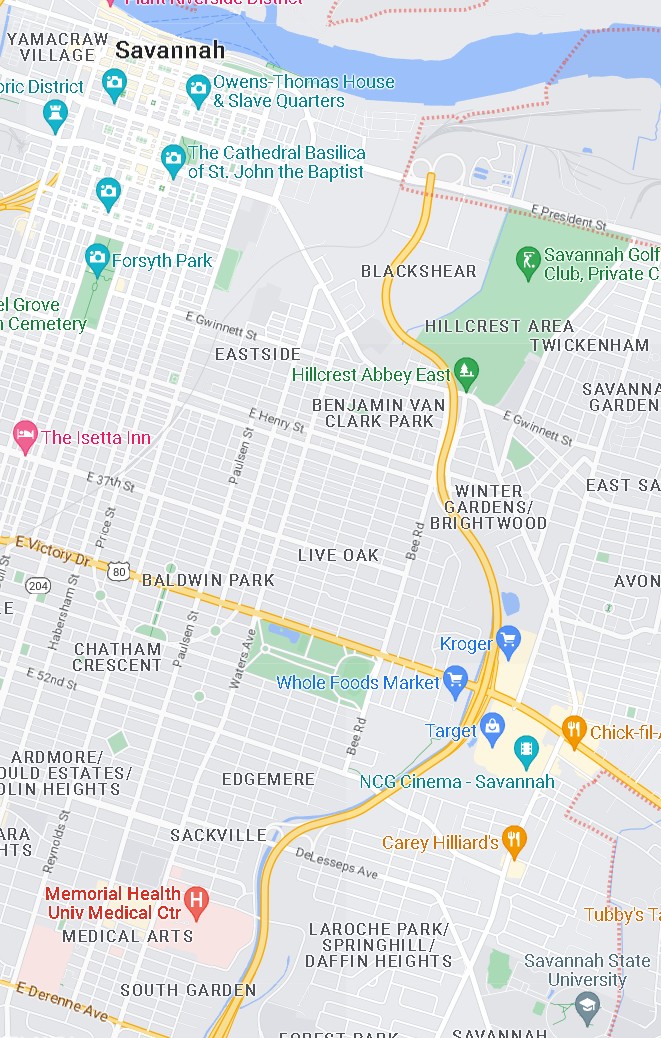
32. Savannah
In Savannah, GA, the river is dyed green and festivities go on for days. One might compare it to a smaller version of the Mardi Gras in New Orleans.
These celebrations began in 1813, 80 years after the city was founded.
33. Savannah
34. George Whitfield and Celtic Kirk
George Whitfield (or Whitefield) (1714-1770) was an English itinerant preacher and evangelist and one of the founders of Methodism along with the Wesley brothers, John Wesley and Charles Wesley.
George Whitefield started an orphanage, the Bethesda Academy, in Savannah, GA, which exists to this day.
Bethesda means "
House of Mercy" in Hebrew.
Whitefield wanted the orphanage to be a place of strong Calvinist influence with a wholesome atmosphere and strong discipline. Boys were taught trades so that they could earn a living as adults. (Wikipedia)
The Whitefield Chapel is still on the grounds of Bethesda Academy in Savannah, GA.
35. Whitefield Chapel
The Whitefield Chapel is still on the grounds of Bethesda Academy in Savannah, GA.
I attended a small Presbyterian churchs' services there in the 2003-2004 school year. That small church was called
Kirk O' the Isles (Presbyterian Church PCA), where "
Kirk" is the Celtic name for "
church".
36. Starting soon ...
☐ Start OBS Stream to YTC.
☐ Check Edge JavaScript.
☐ Check RSIV auto grab.
☐ Check OBS audio levels.
☐ Check OBS window output (wide/narrow).
☐ Start OBS
Record and YTS
Go Live.
37. Welcome
38. Matthew 19:22-24 Rich annoyance of camel eye needles
39. Matthew 19
40. Matthew 19:21-24 Context
Matthew 19:21 Jesus said unto him, If thou wilt be perfect, go and sell that thou hast, and give to the poor, and thou shalt have treasure in heaven: and come and follow me. [kjv]
19:22 But when the young man heard that saying, he went away sorrowful: for he had great possessions. [kjv]
19:23 Then said Jesus unto his disciples, Verily I say unto you, That a rich man shall hardly enter into the kingdom of heaven. [kjv]
19:24 And again I say unto you, It is easier for a camel to go through the eye of a needle, than for a rich man to enter into the kingdom of God. [kjv]
41. Matthew 19:22 Young man
42. Matthew 19:22 Hear the reasoning
Matthew 19:22 But when the young man heard that saying, he went away sorrowful: for he had great possessions. [kjv]
ακουσας δε ο νεανισκος τον λογον τουτον απηλθεν λυπουμενος ην γαρ εχων κτηματα πολλα [gnt]
This is connecting commentary by Matthew.
The ancient Greek word
"ἀκούω" ≈ "hear" and is the source of the English word
"acoustic". The Greek word for
"hear" assumes
understanding.
The ancient Greek word
"λόγος" ≈ "rational explanation, reasoning" and can, in
context, mean
"word" or
"saying".
43. Matthew 19:22 Annoying distress
Matthew 19:22 But when the young man heard that saying, he went away sorrowful: for he had great possessions. [kjv]
ακουσας δε ο νεανισκος τον λογον τουτον απηλθεν λυπουμενος ην γαρ εχων κτηματα πολλα [gnt]
The
ancient Greek word
"λύπη" ≈ "annoyance, distress". The
modern Greek word
"λύπη" (LEE-pee) ≈ "sorrow, sadness, suffering". It appears that the modern meaning comes from the meaning assumed in the
GNT from Latin, etc.
44. Matthew 19:22 Many possessions
Matthew 19:22 But when the young man heard that saying, he went away sorrowful: for he had great possessions. [kjv]
ακουσας δε ο νεανισκος τον λογον τουτον απηλθεν λυπουμενος ην γαρ εχων κτηματα πολλα [gnt]
The Greek word translated as
"great" is that of
"many" and, if context allows,
"much". The ancient Greek word
"πολύς" ≈ "many, much" and is the suffix of English words starting with
"poly" as in "
polynomial". The Greek word is related to the Latin word
"plus" ≈ "more" and the Old English word
"feolo" ≈ "many" and the German word
"viel" ≈ "many, much".
The ancient Greek word
"κτῆμα" ≈ "piece of property, possession" and comes from
"κτάομαι" ≈ "get, obtain, acquire". The Greek word translated as "
rich" is that of having
"many" "things". Can one have
"many" "possessions" without being "
rich"?
45. Matthew 10:8-9 Pursuing discussion
Matthew 10:8 Heal the sick, cleanse the lepers, raise the dead, cast out devils: freely ye have received, freely give. [kjv]
ασθενουντας θεραπευετε νεκρους εγειρετε λεπρους καθαριζετε δαιμονια εκβαλλετε δωρεαν ελαβετε δωρεαν δοτε [gnt]
10:9 Provide neither gold, nor silver, nor brass in your purses, [kjv]
μη κτησησθε χρυσον μηδε αργυρον μηδε χαλκον εις τας ζωνας υμων [gnt]
The ancient Greek word
"κτῆσις" ≈ "act of acquiring, ownership, taking" which, once obtained, becomes "
property". The Greek
"into" was translated as
"in".
Paraphrase: Do not acquire gold, ... (for what you do during your journey) into your purses (belts).
Don’t take any money in your money belts—no gold, silver, or even copper coins. NLT (New Living Translation)
Discuss: Why might the church not want you to have money to take along to spread the "
Good News"? Provide any known historical examples of either case.
46. Matthew 10:5-10 Possessing acquired purchases
Matthew 10:9 Provide neither gold, nor silver, nor brass in your purses, [kjv]
μη κτησησθε χρυσον μηδε αργυρον μηδε χαλκον εις τας ζωνας υμων [gnt]
The ancient Greek word
"κτῆσις" ≈ "act of acquiring, ownership, taking" which, once obtained, becomes "
property". The word is from the ancient Greek word
"κτάομαι" ≈ "get, obtain, acquire". Once acquired, it is
"possessed". The idea of
"possess" comes from the Latin word
"possidere" ≈ "possess".
This word is used in
seven verses in the
GNT. The meaning of the verse can change depending on whether the verse refers to already possessing something or whether that something is to be acquired and then possessed. The idea of
"possess" comes from the Latin word
"possidere" ≈ "possess".
The Greek for
"purses" is that of
"belt" and is the source of the English word
"zone". The Greek has
"into" (going into) rather than
"in" (already in).
"Gold": play on words with Christ by removing the cross.
"Silver": play on words with "lazy way around"
"Copper": metal of a cheap "idol".
This content is concerned with "
acquire" and not the precious metals of "
gold", "
silver" and
"brass" nor the way for the "
lost sheep" to get out of the pit and become
not lost.
47. Matthew 10:9 Play on words
Matthew 10:9 Provide neither gold, nor silver, nor brass in your purses, [kjv]
μη κτησησθε χρυσον μηδε αργυρον μηδε χαλκον εις τας ζωνας υμων [gnt]
nolite possidere aurum neque argentum neque pecuniam in zonis vestris [v]
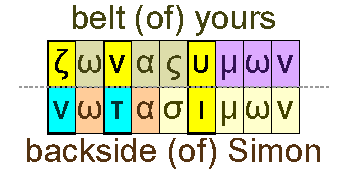
"ζώνας" ≈ "belt, sash" (accusative feminine plural).
"ὑμῶν" ≈ "your" (genitive plural).
"νῶτᾰ" ≈ "back sides, rear parts" (accusative plural).
"Σίμων" ≈ "Simon".
Jesus associates Simon Peter with the church. Jesus says:
... do not acquire ... into (the) belt (of) yours. Did the church historically say to not take "
money" with you in order to
"acquire" or
"possess" "
money" into their
"backside" (Spoonerism of
"belt")?
"ζωνη" ≈ "belt, sash" which is the source of the English word "zone".
48. Matthew 19:22
Matthew 19:22 But when the young man heard that saying, he went away sorrowful: for he had great possessions. [kjv]
ακουσας δε ο νεανισκος τον λογον τουτον απηλθεν λυπουμενος ην γαρ εχων κτηματα πολλα [gnt]
This is connecting commentary by Matthew.
Greek:
But when the young man heard (with understanding) the reasoning he went away annoyed/distressed because (Matthew reasons) he had many possessions/acquisitions.
49. Matthew 19:22
KJV: But when the young man heard that saying, he went away sorrowful: for he had great possessions.
Greek: ακουσας δε ο νεανισκος τον λογον τουτον απηλθεν λυπουμενος ην γαρ εχων κτηματα πολλα
50. Riches and the kingdom
Matthew 19:23 … That a rich man shall hardly enter into the kingdom of heaven. [kjv]
ο δε ιησους ειπεν τοις μαθηταις αυτου αμην λεγω υμιν οτι πλουσιος δυσκολως εισελευσεται εις την βασιλειαν των ουρανων [gnt]
Mark 10:23 … How hardly shall they that have riches enter into the kingdom of God ! [kjv]
και περιβλεψαμενος ο ιησους λεγει τοις μαθηταις αυτου πως δυσκολως οι τα χρηματα εχοντες εις την βασιλειαν του θεου εισελευσονται [gnt]
10:24 … how hard is it for them that trust in riches to enter into the kingdom of God ! [kjv]
οι δε μαθηται εθαμβουντο επι τοις λογοις αυτου ο δε ιησους παλιν αποκριθεις λεγει αυτοις τεκνα πως δυσκολον εστιν εις την βασιλειαν του θεου εισελθειν [gnt]
Luke 18:24 … How hardly shall they that have riches enter into the kingdom of God ! [kjv]
ιδων δε αυτον ο ιησους ειπεν πως δυσκολως οι τα χρηματα εχοντες εις την βασιλειαν του θεου εισπορευονται [gnt]
Jesus is speaking in all the verses.
51. Discussion
The word translated as
"hardly" in the
KJV (King James Version) and
"difficult" in many other translations is the ancient Greek word
"δύσκολος" ≈ "annoyed, grumpy, bad-tempered" which means, literally,
"bad colon" as in
"bad intestine".
Consider the above verses and discuss the following.
How hard is it for the "rich" to enter the kingdom?
How hard is it for the "poor" to enter the kingdom?
How hard is it for those who are neither "rich" nor "poor" to enter the kingdom?
What is the difference between the following?
Something that is easy or hard (difficult).
Something that is possible or impossible.
Is there a middle ground for each?
Why might the "
young man" be
"annoyed",
"grumpy" or
"bad-tempered" at hearing the remarks of Jesus? Why might the disciples be upset too at what Jesus said.
52. Matthew 19:23 Paraphrase
Matthew 19:23 Then said Jesus unto his disciples, Verily I say unto you, That a rich man shall hardly enter into the kingdom of heaven. [kjv]
ο δε ιησους ειπεν τοις μαθηταις αυτου αμην λεγω υμιν οτι πλουσιος δυσκολως εισελευσεται εις την βασιλειαν των ουρανων [gnt]
What happens if the original (and common) meaning of the Greek words are used?
Paraphrase: (if otherwise qualified)
A man with many possessions enters the kingdom of heaven in a bad-tempered or grumpy manner (since all those possessions are left behind and now worthless). Whether one gets into the kingdom of heaven is dependent on other factors (e.g., how the possessions were obtained, how they were used, etc.).
53. Matthew 19:23
Matthew 19:23 Then said Jesus unto his disciples, Verily I say unto you, That a rich man shall hardly enter into the kingdom of heaven. [kjv]
ο δε ιησους ειπεν τοις μαθηταις αυτου αμην λεγω υμιν οτι πλουσιος δυσκολως εισελευσεται εις την βασιλειαν των ουρανων [gnt]
What exactly is the
"kingdom" of
"heaven"?
The ancient Greek word "βασίλεια" ≈ "kingdom" as in "realm" and is the source of the English word "basilica" which is a hall of the king of the "kingdom".
The ancient Greek word "οὐρανός" ≈ "sky, heaven" as in the "atmosphere".
54. Comparisons
☐ 1. If one "
gives" to the
destitute "
poor", might one get "
treasure" in "
air" as in the "
world" as run by the "
birds"?
☐ 2. If one "
gives" to the "
poor" in
spirit, might one get "
treasure" in "
heaven" as in leading to the
"kingdom" of "
God"?
Which "
treasure" can be "
tunneled" into to
deceive one into accumulating this "
treasure"?
If one is
self-centered would either alternative 1 or 2 (or both) tend to make one "
annoyed"?
55. Matthew 19:23
KJV: Then said Jesus unto his disciples, Verily I say unto you, That a rich man shall hardly enter into the kingdom of heaven.
Greek: ο δε ιησους ειπεν τοις μαθηταις αυτου αμην λεγω υμιν οτι δυσκολως πλουσιος δυσκολως εισελευσεται εις την βασιλειαν των ουρανων
56. Kingdoms
 |
| Gospel |
Kingdom
of heaven |
Kingdom
of God |
| Matthew |
32 |
5* |
| Mark |
0 |
16 |
| Luke |
0 |
32 |
| John |
0 |
2 |
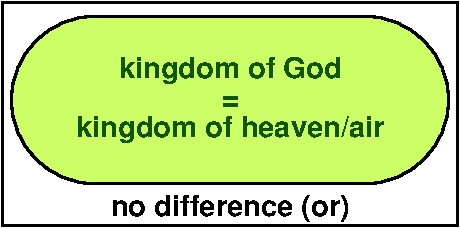
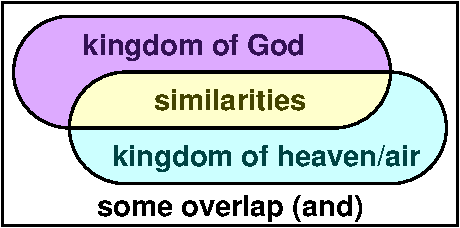
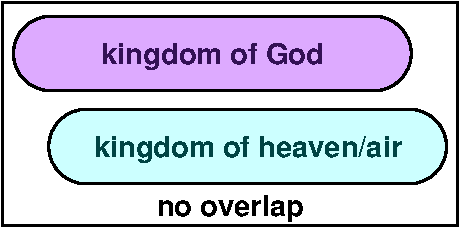
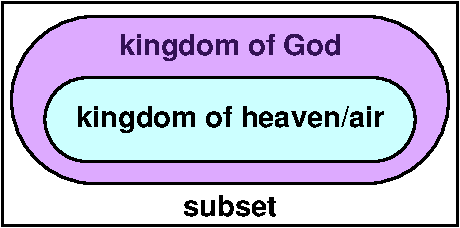
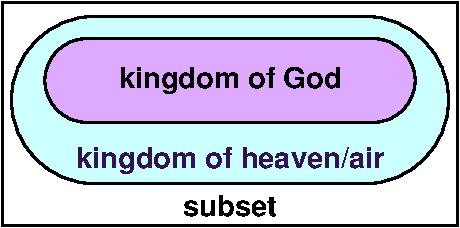
There are many viewpoints on the "kingdom" of "God" and the "kingdom" of "heaven/air". The "birds" of the "air" are the "birds" of "heaven". Which "heaven"?
Sometimes Jesus just says "kingdom". The TR (Textus Receptus) adds "of God" in one of these verses.
It appears that Jesus uses the noun phrase "kingdom" of "heaven/air" as a code word. Matthew just wrote down what was said. The others merged these together in their minds before writing what they remembered. Compare kingdom, vineyard, garden.
[verily verily vs. verily]
|
57. Kingdom of heaven
The "
kingdom" of "
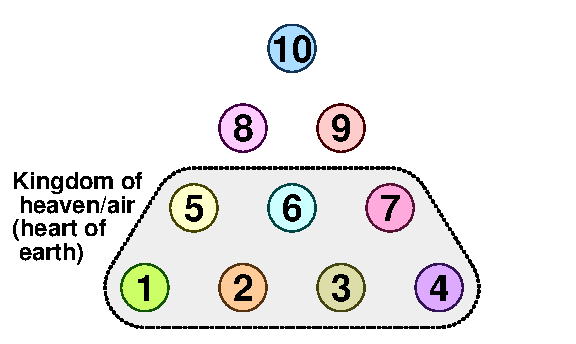
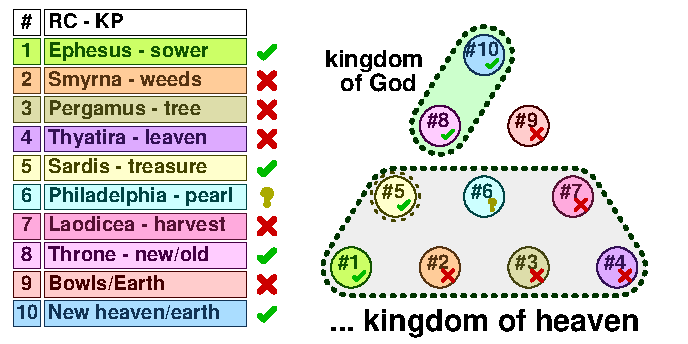
heaven" appears to be a perception of the mind and not a literal physical reality. There are two perceptions.
Good kingdom of heaven/air which is the kingdom of God.
Not good kingdom of heaven/air which is ruled by the birds of heaven/air.
Jesus uses one word for the
not good "
heaven" that is a play on words with "
tail" of the "
mind". Your "
mind" is supposed to be in your "
head" (Christ) and
not your "
tail".
58. Matthew 19:24 Kingdom of God
Matthew 19:24 And again I say unto you, It is easier for a camel to go through the eye of a needle, than for a rich man to enter into the kingdom of God. [kjv]
παλιν δε λεγω υμιν ευκοπωτερον εστιν καμηλον δια τρηματος ραφιδος η πλουσιον εις την βασιλειαν του θεου [gnt]
Paraphrase:
... Which is a better toil or work, to get a camel through the eye of a needle or a rich man into the kingdom of God?
What happens in Luke after Jesus utters this saying?
59. Camels and needles
Luke 18:25 For it is easier for a camel to go through a needle's eye, than for a rich man to enter into the kingdom of God. [kjv]
ευκοπωτερον γαρ εστιν καμηλον δια τρηματος βελονης εισελθειν η πλουσιον εις την βασιλειαν του θεου εισελθειν [gnt]
Matthew 19:24 And again I say unto you, It is easier for a camel to go through the eye of a needle, than for a rich man to enter into the kingdom of God. [kjv]
παλιν δε λεγω υμιν ευκοπωτερον εστιν καμηλον δια τρηματος ραφιδος η πλουσιον εις την βασιλειαν του θεου [gnt]
The Latin changes the Greek question "
which is a better toil" to a
statement! Matthew uses
"kingdom" of
"God" rather than
"kingdom" of
"heaven/air". Is there a difference? If so, is it important?
Paraphrase:
Which is a better toil or work, to get a camel through the eye of a needle or a rich man into the kingdom of God?
Discuss: Compare and contrast the
KJV statements about a rich man in Luke 18:25 with Jesus and Zacchaeus, a rich man, in Luke 19 (start of the next chapter). Does Zacchaeus keep all or some or none of his wealth?
60. Matthew 19:24
KJV: And again I say unto you, It is easier for a camel to go through the eye of a needle, than for a rich man to enter into the kingdom of God.
Greek: παλιν δε λεγω υμιν ευκοπωτερον εστιν καμηλον δια τρυπηματος τρηματος ραφιδος διελθειν εισελθειν η πλουσιον εις την βασιλειαν του θεου εισελθειν
Latin: et iterum dico vobis facilius est camelum per foramen acus transire quam divitem intrare in regnum caelorum
61. Disciples make an inference
Matthew 19:22 But when the young man heard that saying, he went away sorrowful: for he had great possessions. [kjv]
ακουσας δε ο νεανισκος τον λογον τουτον απηλθεν λυπουμενος ην γαρ εχων κτηματα πολλα [gnt]
Matthew
attributes, or
rationalizes, the response of the "
young man" to the fact that he has "
many" "
possessions".
Nowhere is this stated in the conversation between Jesus and the "
young man".
The disciples do not have a good track record of making good inferences. It is human nature to attribute what happens to what they know, hear or see.
62. Matthew 19:21,23-24 Kingdoms and heaven and God
In
three verses, the ideas of
"kingdom" and
"heaven" or
"sky" and
"God" are used. How are these connected?
Matthew 19:21 Jesus said unto him, If thou wilt be perfect, go and sell that thou hast, and give to the poor, and thou shalt have treasure in heaven: and come and follow me. [kjv]
19:23 Then said Jesus unto his disciples, Verily I say unto you, That a rich man shall hardly enter into the kingdom of heaven. [kjv]
19:24 And again I say unto you, It is easier for a camel to go through the eye of a needle, than for a rich man to enter into the kingdom of God. [kjv]
Jesus uses the words "
Verily/amen I say unto you" as a hint to connect what he said previously with what he is going to say next. Here it is done "
again". So there are
three ideas to be connected.
63. Verily I say unto you: connect the dots
Some (theologians, commentators, pastors, etc.) say that the phrase is used to introduce an important concept. Is what Jesus says ever
unimportant?
Instead, the phrase appears to be used to connect the previous thought (excluding scripture quotation) with the next thought as similar in some way.
In some cases, the two thoughts are stated in a
top-down backward-chaining manner so that it helps to consider the second thought before the first thought.
64. Kingdoms and heaven and God
Paraphrases of
three verses to connect via "
verily I say unto you"
Matthew 19:21
... go and sell out your essential attributes, give to the fallen/beggars (who need the Good news) and you will have treasure in the kingdom of the heaven (of God) and come and follow me.
Matthew 19:21
... go and sell out your essential attributes, give to the destitute poor and you will have treasure in the kingdom of the air (world) and come and follow me.
Matthew 19:23
Someone tied/glued to many (worldly) things will be annoyed/grumpy to enter the kingdom of heaven/air (either one).
Matthew 19:24
Which is a better toil or work, to get a camel through the eye of a needle or a rich man into the kingdom of God?
The idea of tied or "
glued" was an important idea at the beginning of this chapter and in the previous chapter.
Different words are used but they have the
same semantic idea. [bind/loose on/in earth/heaven, man and wife leave and are joined]
65. Kingdoms and heaven and God
Here is one model of the "
kingdoms". A
"kingdom" can be considered a "
rule", a "
realm", an "
opinion", a "
glory". Who is in charge of each
"kingdom"?
Which might be called the third "
heaven"?
There are
two "
kingdoms" of "
heaven/air". Both are
perceptions. As perceptions, they can both, at various level, be "
within"
you at the same time.
☐ 1.
"kingdom" of the "
air" of the "
world"
☐ 2.
"kingdom" of the "
heaven" of "
God"
3. Only
one of these two
"kingdom" perceptions lead to the
reality of the
"kingdom" of "
God".
How easy is it to confuse or merge the
perception of the
"kingdom" of "
heaven" of "
God" with the
reality of the
"kingdom" of "
God"? That appears to be what Mark (through Peter) and Luke (through people's memories) did.
66. Paths
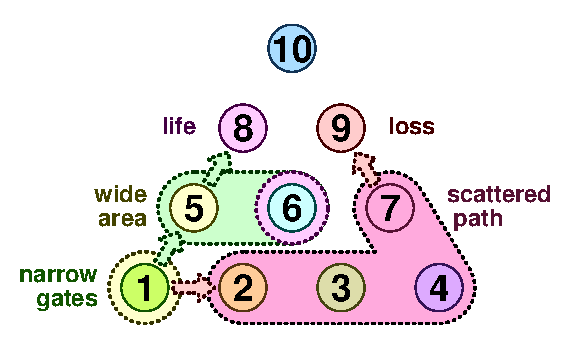
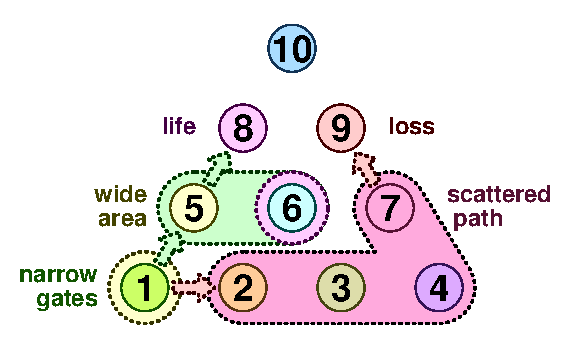
Node 1: Poor in spirit, begging for the Good News. Which path do you covet?
Node 2: False witness node, weeds wanting to be great (at the expense of others).
Node 5: Living bread, treasure in heaven.
Narrow path to destruction, leads away from into the life.
Wide area of life, leads away from into the destruction.
67. Matthew 19:25-27
Matthew 19:25 When his disciples heard it, they were exceedingly amazed, saying, Who then can be saved? [kjv]
19:26 But Jesus beheld them, and said unto them, With men this is impossible; but with God all things are possible. [kjv]
19:27 Then answered Peter and said unto him, Behold, we have forsaken all, and followed thee; what shall we have therefore? [kjv]
Why would Peter ask this question if the rich young man was to give away all possessions?
68. Matthew 19:25-30 Division of thrones
The answer provided by Jesus is somewhat enigmatic.
Matthew 19:28 And Jesus said unto them, Verily I say unto you, That ye which have followed me, in the regeneration when the Son of man shall sit in the throne of his glory, ye also shall sit upon twelve thrones, judging the twelve tribes of Israel. [kjv]
19:29 And every one that hath forsaken houses, or brethren, or sisters, or father, or mother, or wife, or children, or lands, for my name's sake, shall receive an hundredfold, and shall inherit everlasting life. [kjv]
Who are the
"many"? Who, then, are the "
few"?
19:30 But many that are first shall be last; and the last shall be first. [kjv]
Hint: This verse appears to go with the next chapter as a continuation of this chapter.
69. Matthew 19:30 First and last
70. Matthew 19:30 Stacks and queues
Matthew 19:30 But many that are first shall be last; and the last shall be first. [kjv]
πολλοι δε εσονται πρωτοι εσχατοι και εσχατοι πρωτοι [gnt]
What is the criteria to which
first and
last refer?
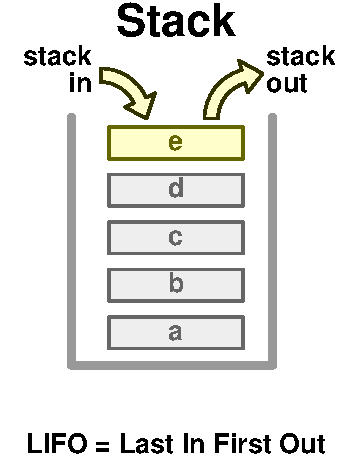
In computer science, a "
stack" is a
LIFO (Last In First Out) data structure that works as a "
stack" of cafeteria trays. In the extreme (all
pushes then all
pops), this creates a
reverse order.
Stack paraphrase:
But many that are first in shall be the last out and the last in shall be the first out.
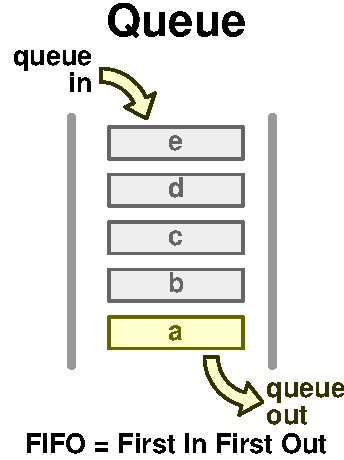
By contrast, a "
queue" is a
FIFI (First In First Out) data structure. Using the "
new" as living and the "
old" as dead, does a stack-based or first-in last-out structure have any meaning?
That is, from a time sequence perspective, the last in shall be first out and the first in shall be last out. This is the definition of a
stack structure.
Who are the
"many"
71. Thank you
72. End of page