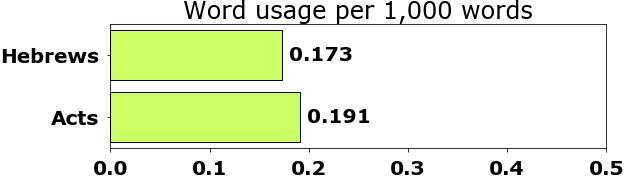
- *G2482 *4 Ἰταλία (ee-tal-ee'-ah) : probably of foreign origin; Italia, a region of Europe:--Italy.
ιταλιας *2
Acts 18:2 ... lately come from Italy, with his wife ...
Hebrews 13:24 ... the saints. They of Italy salute you.
ιταλιαν *2
Acts 27:1 ... we should sail into Italy, they delivered Paul and ...
Acts 27:6 ... of Alexandria sailing into Italy; and he put us therein.
- *G2483 *1 Ἰταλικός (ee-tal-ee-kos') : from G2482 Ἰταλία; Italic, i.e. belonging to Italia:--Italian.
7. Italy
The ancient Greek word
"Ἰταλία" ≈ "Italy", from an Oscan world meaning "land of young cattle", was the Greek word for what become, through the Latin word
"Italia" ≈ "Italy", and then French, the English word
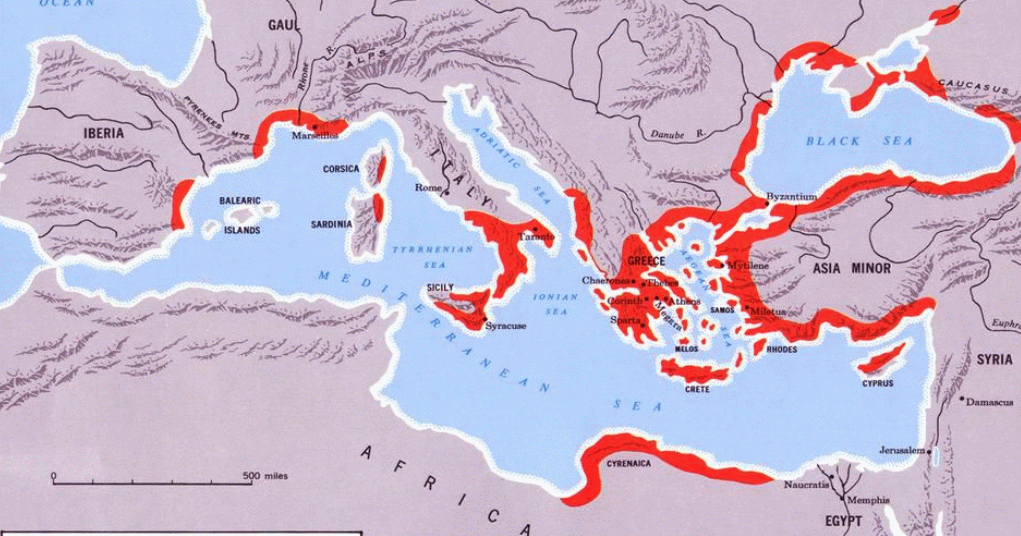
"Italy". Greece had colonies in south Italy and in Sicily and Spain (i.e., coastal areas of the Mediterranean). There are places in southern Italy that still speak Greek today in the general area of what is called Calabria. The Latin word is assumed to be related to the Latin word
"vitulus" ≈ "calf".
8. Acts 10:1
Acts 10:1 There was a certain man in Caesarea called Cornelius, a centurion of the band called the Italian band, [kjv]
ανηρ δε τις ην εν καισαρεια καισαρια ονοματι κορνηλιος εκατονταρχης εκ σπειρης της καλουμενης ιταλικης [gnt]
9. Acts 10:1
KJV: There was a certain man in Caesarea called Cornelius, a centurion of the band called the Italian band,
Greek: ανηρ δε τις ην εν καισαρεια καισαρια ονοματι κορνηλιος εκατονταρχης εκ σπειρης της καλουμενης ιταλικης
Latin: vir autem quidam erat in Caesarea nomine Cornelius centurio cohortis quae dicitur Italica
10. Acts 27:1
Acts 27:1 And when it was determined that we should sail into Italy, they delivered Paul and certain other prisoners unto one named Julius, a centurion of Augustus' band. [kjv]
ως δε εκριθη του αποπλειν ημας εις την ιταλιαν παρεδιδουν τον τε παυλον και τινας ετερους δεσμωτας εκατονταρχη ονοματι ιουλιω σπειρης σεβαστης [gnt]
The Middle English word "knyytis" ≈ "soldier" as in "knight".
The Middle English word "soudiars" ≈ "soldier" from the French word "soldat" ≈ "soldier".
The Latin word "cohortis" ≈ "cohort", somewhat like a company today.
11. Acts 27:1
KJV: And when it was determined that we should sail into Italy, they delivered Paul and certain other prisoners unto one named Julius, a centurion of Augustus' band.
Greek: ως δε εκριθη του αποπλειν ημας εις την ιταλιαν παρεδιδουν τον τε παυλον και τινας ετερους δεσμωτας εκατονταρχη ονοματι ιουλιω σπειρης σεβαστης
Latin: ut autem iudicatum est eum navigare in Italiam et tradi Paulum cum reliquis custodiis centurioni nomine Iulio cohortis Augustae
Wycliffe: But as it was demed hym to schippe into Ytalie, thei bitoken Poul with othere kepers to a centurien, bi name Julius, of the cumpeny of knyytis of the emperoure.
Tyndale: When it was cocluded that we shuld sayle into Italy they delivered Paul and certayne other presoners vnto one named Iulius an vnder captayne of Cesars soudiars.
Luther: Da es aber beschlossen war, daß wir nach Welschland schiffen sollten, übergaben sie Paulus und etliche andere Gefangene dem Unterhauptmann mit Namen Julius von der kaiserlichen Schar.
12. Luke and Acts
Note: The books of Luke and the Acts (both written by Luke) are often taken to be a collection of writings that were to be presented at Paul's trial before Caesar, as required by Roman law. In Luke and Acts, the Romans, such as Centurions being presented in a favorable light and insurrections presented in an unfavorable light, etc.
13. Selected Roman military units
14. Book: The Tactics of Aelian
From amazon.com, (as of 2026-05-16)
Title:
The Tactics of Aelian.
Author:
Christopher Matthew.
Description:
Aelian's work on tactics is a hugely significant piece of ancient military literature, yet the last new edition in English was published in 1814. Although writing (in his native Greek) in the second century AD, Aelian drew heavily on earlier works, such as Asclepiodotus, to put together a comprehensive manual of warfare in the Hellenistic period (late 3rd to early 1st centuries BC). His Tactica thus examines all facets of warfare in the period of Alexander the Great's successors, including the arms and armor of cavalry and infantry, formations, commands and signals. Aelian also provides a discussion of the Roman army of the period ....
15. Strongs - legion
*G3003 *4 λεγεών (leg-eh-ohn') : of Latin origin; a "legion", i.e. Roman regiment (figuratively):--legion.
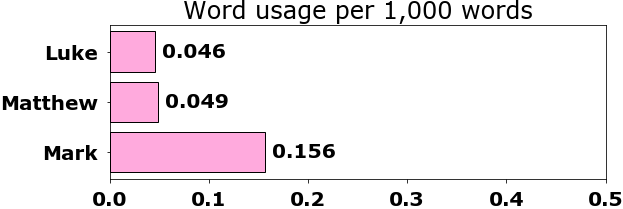 |
Words: λεγιων=2 λεγιωνα λεγιωνων
|
16. Usage - legion
- *G3003 *4 λεγεών (leg-eh-ohn') : of Latin origin; a "legion", i.e. Roman regiment (figuratively):--legion.
λεγιων *2
Mark 5:9 ... saying, My name is Legion: for we are many.
Luke 8:30 ... name? And he said, Legion: because many devils ...
λεγιωνων
λεγιωνα
Mark 5:15 ... see him that was possessed with the devil, and had the legion, sitting, and clothed, ...
17. Mark 5:9 Legions
Mark 5:9 And he asked him, What is thy name? And he answered, saying, My name is Legion: for we are many. [kjv]
και επηρωτα αυτον τι σοι ονομα σοι και απεκριθη λεγων λεγεων λεγει αυτω λεγιων ονομα μοι οτι πολλοι εσμεν [gnt]
The
ancient Greek word
"λεγεών" ≈ "legion" is
from the
Latin word
"legio" ≈ "(military) legion". The Latin word
"legion" was a name for a unit of soldiers, which could vary but had about
5,000 soldiers in it, more or less, usually less over time, as has happened though out history.
18. Mark 5:9
KJV: And he asked him, What is thy name? And he answered, saying, My name is Legion: for we are many.
Greek: και επηρωτα αυτον τι σοι ονομα σοι και απεκριθη λεγων λεγεων λεγει αυτω λεγιων ονομα μοι οτι πολλοι εσμεν
19. Many and legions
Mark 5:9 And he asked him, What is thy name? And he answered, saying, My name is Legion: for we are many. [kjv]
και επηρωτα αυτον τι σοι ονομα σοι και απεκριθη λεγων λεγεων λεγει αυτω λεγιων ονομα μοι οτι πολλοι εσμεν [gnt]
The Greek word for "
legion", from the Latin, could just mean a lot of gathered entities.
Gathering and collecting words to say.
Gathering and collecting soldiers for fighting.
20. Matthew 26:53
21. End of page