Luke 18:9 And he spake this parable unto certain which trusted in themselves that they were righteous, and despised others: [kjv]
ειπεν δε και προς τινας τους πεποιθοτας εφ εαυτοις οτι εισιν δικαιοι και εξουθενουντας τους λοιπους την παραβολην ταυτην [gnt]
18:10 Two men went up into the temple to pray; the one a Pharisee, and the other a publican. [kjv]
ανθρωποι δυο ανεβησαν εις το ιερον προσευξασθαι ο εις φαρισαιος και ο ετερος τελωνης [gnt]
This verse comes immediately after the parable of the unjust judge. Luke decides to call this story a "
parable" and has decided what it actually means.
Is this a "parable"?
Might there be another meaning?
Is Luke presumptuous to make this assertion?
Luke 18:11 The Pharisee stood and prayed thus with himself, God, I thank thee, that I am not as other men are, extortioners, unjust, adulterers, or even as this publican. [kjv]
ο φαρισαιος σταθεις ταυτα προς εαυτον ταυτα προσηυχετο ο θεος ευχαριστω σοι οτι ουκ ειμι ωσπερ οι λοιποι των ανθρωπων αρπαγες αδικοι μοιχοι η και ως ουτος ο τελωνης [gnt]
Jesus often associates the religious establishment with "
extortioners", "
unrighteous" (in God's eyes), "
adulterers", etc. This pharisee does not see himself this way.
KJV: The Pharisee stood and prayed thus with himself, God, I thank thee, that I am not as other men are, extortioners, unjust, adulterers, or even as this publican.
Greek: ο φαρισαιος σταθεις ταυτα προς εαυτον ταυτα προσηυχετο ο θεος ευχαριστω σοι οτι ουκ ειμι ωσπερ οι λοιποι των ανθρωπων αρπαγες αδικοι μοιχοι η και ως ουτος ο τελωνης
Luke 18:12 I fast twice in the week, I give tithes of all that I possess. [kjv]
νηστευω δις του σαββατου αποδεκατω αποδεκατευω παντα οσα κτωμαι [gnt]
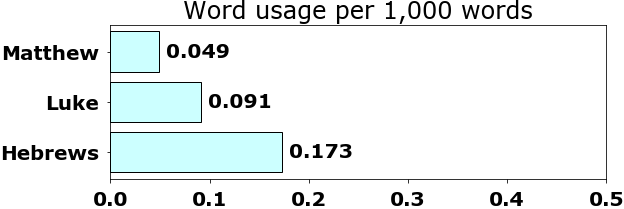
The
KJV (King James Version) translates as "
week" the Greek word for "
Sabbath".